
Toilet training is one of the most important—and often frustrating—aspects of raising a puppy. While we dream of a well-behaved dog who knows exactly where to go, reality can include chewed-up mats, soiled carpets, and endless mop-ups. What many pet parents don’t realize is that their toilet training mistakes may actually be confusing the puppy rather than correcting them.
In this guide, we’ll unpack the most common errors new puppy owners make, and how you can set your pup up for success from day one. Along the way, we’ll also introduce an easy-to-use solution that’s helping thousands of pet parents around the world: Beaphar Puppy Trainer.
Mistake 1: Inconsistency in Timing and Place
Dogs learn best through routine. A common mistake is taking your puppy out at random times or allowing them to relieve themselves in different areas of the home. This inconsistency can make it hard for your puppy to associate a specific place with toileting.
Tip: Take your puppy out every 2–3 hours, especially after meals, naps, and play sessions. Use the same designated toilet spot each time. Puppies thrive on predictable patterns, and this builds confidence.
To reinforce consistency, many pet owners are using Puppy Trainer drops on a training pad or newspaper in their chosen potty area. Thanks to its special attractant odour, your puppy is gently guided to the correct spot, making toilet time less of a guessing game.
Mistake 2: Using Punishment Instead of Positive Reinforcement
One of the worst things you can do is scold or punish your puppy for accidents. It may seem like a logical reaction, but it actually teaches fear—not learning. Puppies don’t understand cause and effect the way humans do, and shouting can make them nervous about going in front of you at all.
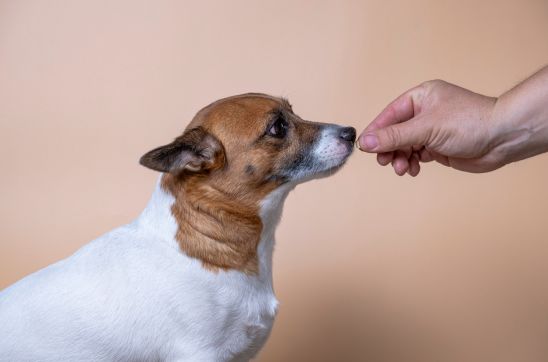
Better Approach: Focus on positive reinforcement. Praise your puppy with enthusiastic words or treats every time they go in the right spot. Associate the action with good feelings and rewards.
This is where a product like Puppy Trainer works wonders. By encouraging your puppy to go in the right place consistently, it naturally reduces the need for reprimands and enhances positive toilet training habits.
Mistake 3: Expecting Too Much, Too Soon
Puppies have small bladders and limited control, especially during the first 12 weeks. Some owners assume a few successful potty trips mean the training is complete—but this can backfire. Reverting to free-roaming too soon often leads to setbacks.
Solution: Give your puppy the gift of patience. Use confinement tools like crates or puppy pens when unsupervised. Continue consistent toilet routines for at least a few months, even after early success.
To shorten the toilet training time, consider incorporating Beaphar Puppy Trainer into your routine. Just a few drops on a pad or newspaper help your pup remember exactly where to go, creating a reliable association over time.
Mistake 4: Ignoring the Role of Scent
Dogs communicate heavily through scent. If a puppy smells previous waste somewhere in the house—even faintly—they might assume that area is acceptable for toileting. On the other hand, neutral-smelling areas can confuse them if there’s no sensory guidance.
Tip: Use enzymatic cleaners to eliminate all traces of previous accidents. Simultaneously, add a few drops of Puppy Trainer to the preferred toilet spot. Its unique attractant appeals to your puppy’s sense of smell, gently nudging them in the right direction.
This dual scent strategy—removing wrong signals and adding right ones—is far more effective than yelling or redirection alone.
Mistake 5: Not Observing Your Puppy Closely
Puppies do give signals when they need to go, but new owners often miss them. Sniffing the floor, circling, whining, or suddenly stopping play are classic indicators. If you’re not paying attention, you’ll likely find a surprise puddle before realizing your mistake.
What You Can Do: During the early weeks, supervise your puppy constantly or keep them confined. As soon as you see a cue, lead them to the designated toilet area.
To make this process easier, many pet parents are creating a mini potty corner indoors with training pads enhanced by Puppy Trainer drops. This turns your puppy’s natural instincts into training wins, especially during rainy days or nights.
Mistake 6: Not Transitioning from Pads to Outdoors (or Vice Versa)
Some owners start with pads indoors and never make the transition outdoors. Others jump straight to outdoor training without understanding the stress that can place on a young pup.
How to Do It Right: Begin with a defined indoor space using scented pads treated with Puppy Trainer. Once your pup reliably uses that spot, gradually move the pad closer to the door. Eventually, place it just outside.
This step-by-step process builds confidence and prevents regression. Since Puppy Trainer can be used in any environment—indoor or outdoor—it supports every phase of the transition seamlessly.
Mistake 7: Confusing Night-Time and Day-Time Rules
Night-time accidents are common, especially if you’re not clear on your puppy’s needs. Puppies under four months typically can’t last the entire night without a bathroom break.
Tip: Create a consistent night-time toilet routine—take your puppy out just before bed, and set an alarm to check once mid-sleep (if your puppy is young). Avoid nighttime play, as this may overstimulate them.
If nighttime outdoor trips are difficult, you can use a Puppy Trainer-treated pad indoors to prevent messes. The scent will direct your sleepy pup to the correct location.
Mistake 8: Using the Wrong Training Surface
Training on slippery floors, rough mats, or cold tiles can confuse or discourage your puppy. Some textures are unpleasant to stand on, especially for small breeds.
What Works: Choose soft, absorbent, and puppy-friendly surfaces—like Beaphar puppy pads or layered newspapers. A few drops of Puppy Trainer liquid helps signal to your dog that this spot is safe, suitable, and expected.
Comfort and scent together create an environment your puppy feels good returning to.
Mistake 9: Giving Mixed Messages
Some owners unintentionally send mixed messages—for example, letting a puppy go inside one day and scolding them for it the next. Or letting them pee during walks but discouraging them from going on grass at home.
Key Insight: Clarity is kindness. Be consistent in your rules, environment, and language. Use one command word (“go potty”) and stick with the same spot until it’s mastered.
Beaphar Puppy Trainer helps by adding a consistent sensory signal—your puppy learns that where they smell that particular scent is where they should go. It’s a training shortcut that aligns with your verbal and physical cues.
Mistake 10: Underestimating the Power of Scent Associations
Even once trained, dogs may occasionally regress, especially after travel, changes in routine, or new environments. Their toilet training depends heavily on scent cues they’ve built over time.
To prevent setbacks:
• Carry Puppy Trainer when visiting new places
• Use it to create a familiar potty zone
• Re-establish scent-based habits quickly, even in unfamiliar settings
This turns confusion into confidence, and prevents accidents before they happen.
It Right from the Start
Toilet training doesn’t have to be overwhelming. When done right, it builds trust, structure, and happiness in your home. The key is to avoid common mistakes—inconsistency, punishment, mixed signals, and lack of sensory support.
That’s where Beaphar Puppy Trainer becomes your secret weapon. Whether you’re just starting out or working through a few hiccups, this simple solution:
• Encourages faster, more reliable toilet habits
• Reduces training time
• Eliminates confusion
• And most importantly, creates a positive experience for your puppy
With the right mindset, routine, and tools, you’ll have a well-trained pup in no time—and a much cleaner floor to show for it.